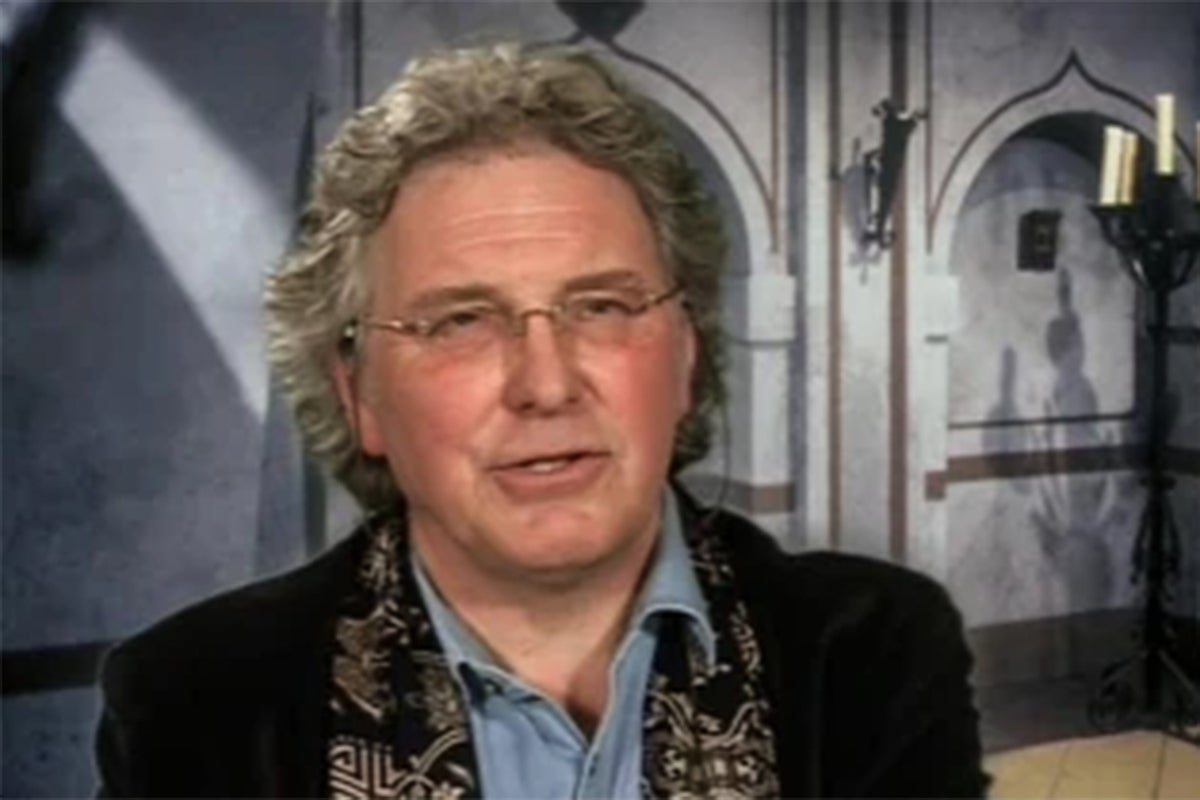
Paul Seed's Enduring Legacy: From Weatherfield to Westminster
The world of British television recently mourned the loss of a true talent, Paul Seed, who passed away on March 7th at the age of 78 following a battle with cancer. While widely celebrated for his BAFTA-winning directorial prowess, Seed's career began under the spotlight as an actor, a journey that famously included a significant stint on the beloved ITV soap, *Coronation Street*. His multifaceted career, spanning decades, saw him transition from playing a reverend in Weatherfield to masterminding some of the most iconic dramas to grace our screens.
Paul Seed is survived by his devoted wife, Elizabeth Cassidy, and their two sons, Jack and Sean. His life was a testament to dedication, artistic intelligence, and an innate understanding of storytelling, leaving an indelible mark on countless actors and productions. His early work on *Coronation Street* provided a foundational acting experience that would later inform his extraordinary ability to guide performances from behind the camera. For many fans, the mention of "Paul Seed Coronation Street" immediately conjures images of his impactful, albeit early, contribution to British television's longest-running drama.
An Early Calling: Paul Seed's Acting Journey on Coronation Street and Beyond
Before becoming a revered director, Paul Seed honed his craft as a performer. His acting career officially began in 1972 with a role in the historical adventure series *Pretenders*. This was followed by appearances in other popular shows of the era, including *Z Cars*, *Crown Court*, and a memorable four-episode arc in the iconic sci-fi series *Doctor Who*. These early experiences provided a rich training ground, allowing Seed to understand the intricate mechanics of television production from the actor's perspective.
However, for a certain generation of viewers and for many who retrospectively trace his career, Paul Seed’s role as
Father Harris in *Coronation Street* stands out. From 1979 to 1981, Seed inhabited the character of a local clergyman in the fictional northern town of Weatherfield. This role was particularly noteworthy as it placed him within the fabric of a show deeply embedded in British culture. Playing a man of the cloth in a community-driven drama like *Coronation Street* would have required a nuanced understanding of character and interaction, skills that undoubtedly contributed to his later success. The experience of working on such a fast-paced, character-driven production like *Coronation Street* would have been invaluable, teaching him about narrative arcs, character development, and the precise timing required for episodic television. This period of his life, featuring "Paul Seed Coronation Street," was a crucial stepping stone, showcasing his versatility and commitment to his craft. For more insights into his early life and initial foray into acting, you might also be interested in
Paul Seed Coronation Street - Article 1.
The Visionary Director: Crafting Iconic Television
Paul Seed's true genius blossomed when he transitioned from acting to directing. His understanding of performance, gained through years in front of the camera, gave him a unique advantage, allowing him to communicate with actors on a deeper, more empathetic level. Sir Tom Courtenay, a close friend and colleague, articulated this beautifully in an obituary, stating that Seed's career was "defined by intelligence, emotional precision and a rare instinct for performance." This profound insight into the human condition and the art of acting made him a sought-after director.
Among his extensive and celebrated directorial credits, one production stands out as a masterclass in political drama and narrative innovation: the BBC's *House of Cards*. Adapted from Michael Dobbs' 1989 novel, Seed directed this seminal political thriller, featuring Ian Richardson as the Machiavellian Chief Whip, Francis Urquhart. It was Seed’s stroke of genius that led to one of British television's most famous stylistic choices. As Miles Anderson, who played Roger O’Neill in the series, recounted, Seed suggested to Richardson on the very first day of filming, "Why don't you try looking directly into camera for your asides?" This groundbreaking decision to break the fourth wall allowed Richardson's character to directly address the audience, inviting them into his conspiratorial mind. The resulting catchphrase, "You might think that, but I couldn't possibly comment," became ubiquitous, even echoing through the halls of Westminster itself. This bold directorial move not only elevated *House of Cards* to critical acclaim but also influenced countless dramas that followed.
Beyond this landmark achievement, Seed's directorial portfolio is incredibly rich. He directed Liam Neeson in the drama *Across the Water* in 1983 and cast Charlotte Coleman (who later starred in *Four Weddings and a Funeral*) in 1987’s *Inappropriate Behaviour*. His touch could be seen in popular series like *Lark Rise to Candleford*, the medical dramedy *Doc Martin*, and the long-running crime drama *New Tricks*. In 2010, his direction of the BBC's charming adaptation of Richmal Crompton's *Just William* earned him another BAFTA, cementing his status as a versatile and award-winning director across various genres. To delve deeper into his transition from acting to directing and his earlier works, explore
Paul Seed Coronation Street - Article 2.
Tributes, Insights, and a Quiet Retirement
The outpouring of tributes following Paul Seed's passing underscored the profound impact he had on the industry and those who worked with him. Sir Tom Courtenay’s heartfelt words continued, "He loved what he did, and this love communicated itself to his actors. I’m sure I wasn’t the only one who thought the world of him." This sentiment speaks volumes about Seed's collaborative spirit and his ability to inspire confidence and exceptional performances from his cast and crew. Miles Anderson's anecdote about the *House of Cards* fourth-wall break highlights Seed's innovative thinking and willingness to push creative boundaries.
Beyond the intensity of a demanding career, Seed eventually sought a quieter pace of life. He settled with his wife, Elizabeth, in north Devon, where he indulged his passion for photography. This period of his life, away from the hustle and bustle of film sets, allowed him to explore another creative avenue and enjoy the tranquility of rural life. It's a poignant reflection of a man who dedicated his professional life to the visual arts, whether through acting or directing, and who found continued artistic expression even in retirement. His journey from the bustling sets of *Coronation Street* to the serene landscapes of Devon paints a picture of a life lived fully and creatively.
Paul Seed's career is a remarkable narrative of evolution and excellence. He began as an actor, notably as Father Harris on *Coronation Street*, gaining invaluable insights into performance and storytelling. He then transitioned to become one of Britain's most respected and innovative television directors, leaving an indelible mark with shows like *House of Cards* and *Just William*. His ability to connect with actors, his keen intelligence, and his unwavering passion for his craft ensured that every project he touched bore the hallmark of quality. The legacy of "Paul Seed Coronation Street" is more than just an early acting credit; it's the foundation of a career that enriched British television for generations, proving that a solid grounding in acting can lead to directorial brilliance. He will be remembered not just for the iconic scenes he directed, but for the profound influence he had on the many lives and careers he touched.