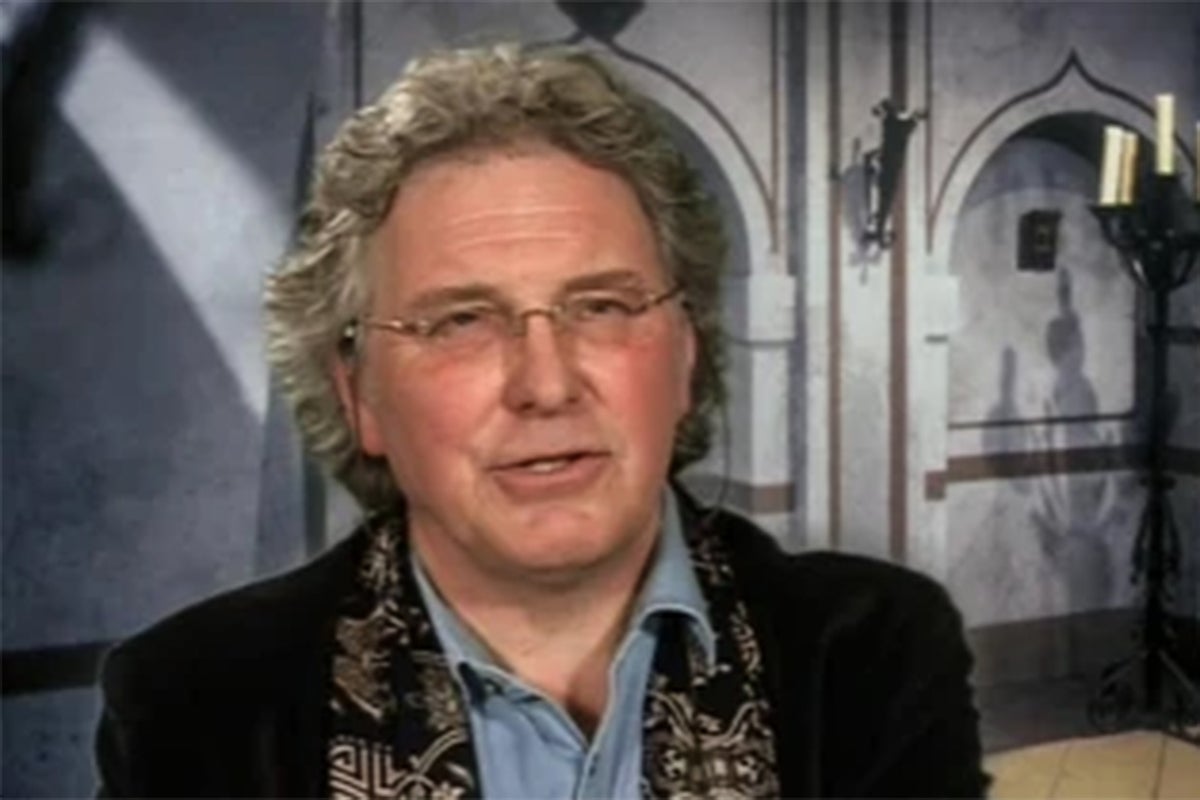
Paul Seed: A Dual Legacy – From Coronation Street to Bafta-Winning Director
The world of British television recently mourned the loss of a remarkable talent, Paul Seed, who passed away at the age of 78 after a battle with cancer on March 7th. Seed’s career was a testament to versatility and a deep understanding of storytelling, transitioning seamlessly from a respected actor to one of the industry's most acclaimed and innovative directors. While many remember his BAFTA-winning directorial achievements for iconic dramas like *House of Cards* and *Just William*, his journey began in front of the camera, notably with a significant role in the much-loved ITV soap opera, *Coronation Street*. His multifaceted contribution left an indelible mark on screens big and small, shaping narratives and performances with his unique vision.
Early Steps: Paul Seed's Journey from Actor to Emerging Visionary
Paul Seed embarked on his acting career in 1972, gaining early experience in diverse productions such as the historical adventure series *Pretenders*, the gritty police drama *Z Cars*, and the legal series *Crown Court*. A notable highlight of his early acting days was his appearance in four episodes of the perennial science fiction classic, *Doctor Who*. These roles provided a solid foundation, showcasing his adaptability and skill in bringing characters to life.
However, for many fans of British television, one of his most recognizable acting roles was as
Father Harris in Coronation Street. From 1979 to 1981, Seed graced the cobbled streets of Weatherfield, portraying a character that, while perhaps not central to every major storyline, offered a glimpse into the everyday life and community spirit that defines the long-running soap. Appearing in a show of *Coronation Street*'s calibre, even in a supporting role, often served as a crucial stepping stone for actors, providing widespread recognition and invaluable experience in a fast-paced production environment. This period on the street was more than just another acting credit; it was part of the formative years that would eventually lead him behind the camera, where his true genius would fully blossom. His time on screen, particularly as Father Harris, demonstrated a nuanced understanding of character and narrative, qualities that would later become hallmarks of his directorial prowess. For more on his broader impact, you might be interested in
Paul Seed Coronation Street - Article 1.
Seed’s transition from actor to director was a natural evolution, driven by an innate desire to shape the entire narrative, not just a single performance. His early directing work included collaborations with emerging talents, such as directing a young Liam Neeson in the 1983 drama *Across the Water*, and casting Charlotte Coleman (who later starred in *Four Weddings and a Funeral*) in 1987’s *Inappropriate Behaviour*. These early projects honed his craft, allowing him to develop the keen eye and collaborative spirit that would define his later, award-winning career.
Crafting Masterpieces: The Directorial Genius of Paul Seed
It was behind the camera that Paul Seed truly carved out his legendary status in British television. His directorial filmography boasts a remarkable array of critically acclaimed and popular dramas, demonstrating his incredible range and consistent ability to elicit powerful performances and compelling stories.
Undoubtedly, his most iconic directing credit is the original BBC political thriller, *House of Cards*. Adapted from Michael Dobbs' 1989 novel, this series captivated audiences with its sharp script and subversive portrayal of political ambition. Seed’s direction of Ian Richardson as the Machiavellian Chief Whip, Francis Urquhart, was nothing short of revolutionary. One of Seed’s most brilliant and defining innovations was his suggestion to Richardson on the very first day of filming: "Why don’t you try looking directly into camera for your asides?" This "breaking the fourth wall" technique, allowing Urquhart to directly address the audience, became an instant classic. It wasn't merely a stylistic choice; it was a stroke of genius that invited viewers into the character's conspiratorial mind, creating an intimate, unsettling connection. The now-famous phrase, "You might think that, but I couldn’t possibly comment," delivered with Urquhart’s characteristic knowing smirk, permeated popular culture and became synonymous with political intrigue, especially within the hallowed halls of Westminster. Miles Anderson, who played Roger O’Neill in the series, perfectly encapsulated this impact, noting how this innovative approach transformed British TV drama.
Beyond the cutthroat world of politics, Seed demonstrated his versatility by directing beloved period dramas and contemporary series alike. He helmed episodes of the heartwarming *Lark Rise to Candleford*, bringing its picturesque village life and character-driven stories to vibrant life. His work on the popular medical drama *Doc Martin* showcased his ability to manage ensemble casts and capture the unique charm of a small Cornish community. Later in his career, he contributed to the enduring success of *New Tricks*, a crime drama that resonated with a broad audience.
Perhaps another crowning achievement was his direction of the BBC's adaptation of Richmal Crompton's classic children's stories, *Just William*. This delightful series, brimming with youthful mischief and nostalgic charm, earned Seed a BAFTA in 2010, further cementing his reputation as a director capable of mastering diverse genres and appealing to varied demographics. His ability to navigate between complex political thrillers and whimsical children's tales with equal skill highlights a truly remarkable talent. Sir Tom Courtenay, a friend and colleague, beautifully summarized Seed's professional ethos, describing his career as "defined by intelligence, emotional precision and a rare instinct for performance," adding, "He loved what he did, and this love communicated itself to his actors." This profound dedication to his craft and his collaborative spirit undoubtedly contributed to the consistent quality and impact of his work.
A Legacy Beyond the Screen: Tributes and Enduring Influence
The news of Paul Seed's passing prompted a wave of tributes from those who knew and worked with him, underscoring the profound respect and admiration he commanded throughout the industry. Sir Tom Courtenay, who starred alongside Albert Finney and Joanna Lumley in the BAFTA-winning film *A Rather English Marriage* – a project Seed directed – penned a moving obituary. Courtenay's words paint a picture of a director who not only excelled technically but also fostered an environment of passion and creativity. His insight into Seed's "rare instinct for performance" suggests a director who understood actors intrinsically, guiding them to deliver their best work. This deep understanding, perhaps born from his own acting background, made him a director beloved by his cast.
Miles Anderson's anecdote about the "breaking the fourth wall" in *House of Cards* serves as a powerful reminder of Seed’s innovative spirit and willingness to push boundaries. This particular directorial choice wasn't just a fleeting trend; it profoundly influenced subsequent dramatic storytelling, becoming a recognized and sometimes emulated technique for conveying intimacy and complicity with the audience. Its impact is a testament to Seed’s visionary approach, proving that even a single decision can redefine a genre.
Beyond the specific techniques, Paul Seed's career embodies the journey of a true craftsperson in the arts. From his early days as an actor, including his stint as
Father Harris in Coronation Street, to his commanding presence behind the camera as a BAFTA-winning director, his trajectory offers valuable lessons. He demonstrated the power of versatility, the importance of nurturing talent (both his own and that of his collaborators), and the enduring impact of a truly passionate and intelligent approach to storytelling. His legacy is not just in the finished product – the celebrated dramas we still revisit – but also in the inspiration he provided to countless actors and filmmakers. For a broader view of his influence, you may want to check out
Paul Seed Coronation Street - Article 3.
In his later years, Paul Seed found a quieter pace of life, settling with his wife, Elizabeth Cassidy, in north Devon. There, he pursued photography, an art form that undoubtedly allowed him to continue exploring his visual acumen and storytelling eye, albeit through a different lens. He is survived by Elizabeth and their two sons, Jack and Sean, leaving behind not just a family, but also a rich and enduring artistic heritage.
Conclusion
Paul Seed's career stands as a remarkable testament to a talent that transcended roles, evolving from a respected actor on one of Britain's most iconic soaps, *Coronation Street*, to a visionary, BAFTA-winning director. His ability to craft compelling narratives, elicit unforgettable performances, and pioneer innovative techniques like the "fourth wall break" in *House of Cards* solidified his place as a giant in British television. His dedication, intelligence, and profound love for his craft shone through every project, leaving an irreplaceable legacy that will continue to inspire and entertain for generations to come. Paul Seed will be remembered not just for the shows he made, but for the profound impact he had on the very fabric of British dramatic storytelling.