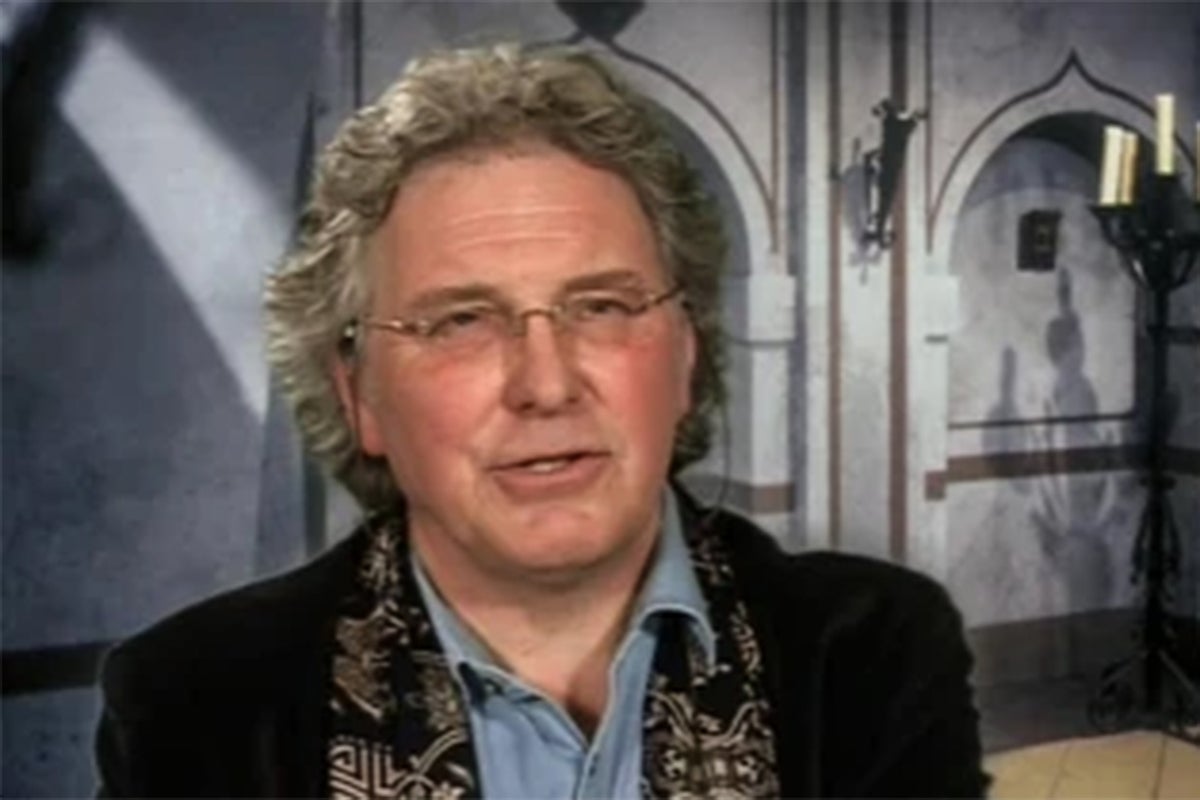
Paul Seed: Unravelling the Enduring Legacy of a Coronation Street Actor and Bafta-Winning Director
The world of British television recently mourned the loss of a true visionary, a man whose career spanned decades and left an indelible mark on both sides of the camera:
Paul Seed. While many remember him as the acclaimed Bafta-winning director behind iconic dramas like the BBC’s
House of Cards and
Lark Rise to Candleford, it’s crucial to recall his foundational years as an actor, a journey that notably included a stint on the much-loved British soap opera,
Coronation Street. This article delves into the multifaceted career of Paul Seed, exploring his early acting roles, his significant contribution to Weatherfield, and the directorial genius that cemented his place in television history.
Born with a natural talent for storytelling, Paul Seed embarked on an acting career in the early 1970s, honing his craft through various television appearances. These formative years were crucial in developing the astute understanding of performance and narrative that would later define his directorial style. His diverse roles in series such as
Pretenders,
Z Cars,
Crown Court, and even a notable four-episode arc in
Doctor Who, provided him with a comprehensive insight into the mechanics of television production. This hands-on experience, immersing him in the daily grind of television drama, undoubtedly equipped him with a unique perspective, allowing him to connect with actors on a deeper level once he stepped behind the camera.
From Weatherfield’s Cobbles: Paul Seed’s Time as Father Harris in Coronation Street
One of Paul Seed’s most memorable early acting roles, and a significant touchstone for fans of British soap operas, was his portrayal of
Father Harris in Coronation Street. From 1979 to 1981, Seed inhabited the character of the local clergyman, bringing a quiet dignity and moral compass to the often-tumultuous lives of the residents of Weatherfield. While his tenure as Father Harris might not have involved dramatic love triangles or explosive confrontations, his presence offered a grounded, reflective counterpoint to the everyday dramas unfolding on the street.
Playing a character like Father Harris in a show as iconic as
Coronation Street presented its own unique challenges and rewards. The role required a nuanced performance, one that could convey warmth, understanding, and authority without relying on theatrics. Seed's ability to portray such a character with authenticity undoubtedly resonated with viewers, adding a layer of community and spiritual guidance to the show's narrative fabric. His time on the cobbles, though relatively brief in the grand scheme of his career, served as a vital chapter, allowing him to connect with a vast national audience and experience the relentless pace of a long-running serial drama. This understanding of character arcs, audience engagement, and the practicalities of a busy set would prove invaluable as he transitioned into directing. Exploring this period of his life helps us appreciate the depth of his experience before he became a household name for his directorial prowess. For more insights into the varied careers of *Coronation Street* actors, you might enjoy reading
Paul Seed Coronation Street - Article 2.
The Evolution to Directorial Mastery: A Bafta-Winning Career
Paul Seed's career trajectory saw a pivotal shift from acting to directing, a transition that would ultimately define his most celebrated achievements. His early forays into directing showcased an immediate knack for compelling storytelling and a keen eye for performance. Working with emerging talent, he directed a young Liam Neeson in the drama
Across the Water in 1983 and later cast Charlotte Coleman in 1987’s
Inappropriate Behaviour. These early projects hinted at the sophisticated narrative control and actor-centric approach that would become his hallmarks.
However, it was his work on the seminal BBC political thriller,
House of Cards, adapted from Michael Dobbs’ 1989 novel, that truly catapulted
Paul Seed the director into the echelons of British television greatness. This series, featuring Ian Richardson as the Machiavellian Conservative Chief Whip Francis Urquhart, became an instant classic, renowned for its gripping plot and innovative narrative techniques.
Seed’s genius was perhaps best exemplified by a directorial choice that has since become legendary: the breaking of the fourth wall. Miles Anderson, who played Roger O’Neill in the series, recounted Seed's bold suggestion to Ian Richardson on the first day of filming: “Why don’t you try looking directly into camera for your asides?” This stroke of genius allowed Urquhart to directly address the audience, sharing his insidious thoughts and schemes. The impact was profound, not only creating a unique intimacy with the viewer but also giving rise to one of television’s most enduring catchphrases: "You might think that, but I couldn’t possibly comment." This innovative technique elevated the drama, demonstrating Seed’s willingness to push boundaries and trust his creative instincts, forever changing how political thrillers could be presented on screen.
A Legacy of Intelligence, Precision, and Connection
Beyond
House of Cards, Paul Seed continued to build an impressive directorial portfolio, consistently delivering high-quality, engaging dramas. His later works included popular series such as
New Tricks, the beloved period drama
Lark Rise to Candleford, and the delightful BBC adaptation of
Just William, which earned him another Bafta in 2010. These projects underscore his versatility and ability to excel across different genres, from crime to lighthearted historical narratives.
The tributes from his peers eloquently speak to the kind of professional and individual Paul Seed was. Sir Tom Courtenay, a close friend and colleague who starred in Seed’s Bafta-winning film
A Rather English Marriage, penned a heartfelt obituary, describing Seed’s career as "defined by intelligence, emotional precision and a rare instinct for performance." Courtenay further emphasized Seed's profound love for his work, a passion that "communicated itself to his actors." This reciprocal relationship, where Seed fostered an environment of trust and shared dedication, was a cornerstone of his success, allowing actors to deliver their best performances under his guidance.
Practical Insights from Paul Seed’s Illustrious Career
For aspiring filmmakers and actors, Paul Seed's career offers invaluable lessons:
1.
Versatility is Key: Seed's journey from actor to director highlights the benefits of understanding both sides of the camera. Actors gain insight into narrative structure, while directors better comprehend performance nuances.
2.
Embrace Innovation: His groundbreaking use of the fourth wall in
House of Cards demonstrates the power of bold, creative choices that challenge conventions. Don't be afraid to experiment to enhance storytelling.
3.
Foster Strong Relationships: The glowing tributes from colleagues like Sir Tom Courtenay underscore the importance of collaboration, respect, and a genuine love for the craft, which inspires trust and loyalty among your team.
4.
Continuous Learning: Seed's career evolved, from early acting gigs to directing diverse dramas. This commitment to growth and adapting to new challenges is vital in the dynamic television industry.
In his later years,
Paul Seed enjoyed a quieter pace of life with his wife, Elizabeth Cassidy, in north Devon, pursuing his passion for photography. He passed away on March 7th at the age of 78, following a battle with cancer, survived by Elizabeth and their two sons, Jack and Sean. His life was a testament to dedication, creativity, and a profound love for the art of storytelling. To delve deeper into other aspects of his personal life and career, check out
Paul Seed Coronation Street - Article 3.
Conclusion
Paul Seed’s remarkable career, spanning from his early days as
Father Harris in Coronation Street to his triumphs as a
Bafta-winning director of seminal dramas, embodies the spirit of British television at its finest. He was a craftsman who understood the delicate balance between performance and direction, consistently delivering narratives that captivated audiences and influenced the industry. His legacy lives on not just in the iconic series he directed, but also in the innovative techniques he pioneered and the heartfelt admiration he garnered from those who had the privilege to work with him. Paul Seed will be remembered as a true luminary, whose contributions continue to enrich the landscape of television drama.